

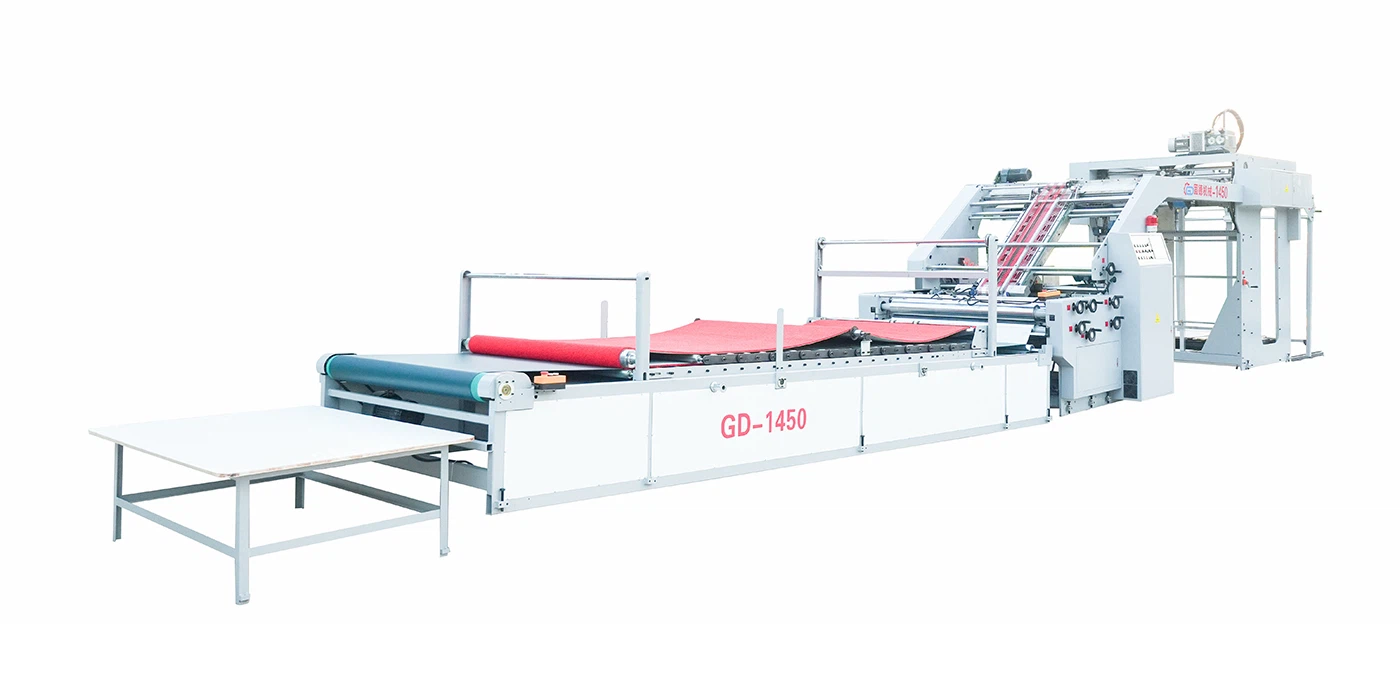
As a supplier of Automatic Flute Laminating Machines, I often receive questions from clients about how to properly store these valuable pieces of equipment when they are not in use. Proper storage is crucial to maintaining the machine's performance, extending its lifespan, and ensuring it's ready for operation when needed. In this blog, I'll share some scientific and practical advice on how to store an Automatic Flute Laminating Machine effectively.
1. Preparation Before Storage
Before you store your Automatic Flute Laminating Machine, it's essential to conduct a comprehensive cleaning and maintenance process. This not only prevents dirt and debris from causing damage during storage but also allows you to identify any potential issues that need to be addressed.
- Cleaning the Machine: Start by powering off the machine and unplugging it from the electrical source to ensure safety. Use a soft, dry cloth to wipe down the exterior of the machine, removing any dust, dirt, or residue. For the internal components, follow the manufacturer's guidelines to clean the rollers, blades, and other parts. You may need to use a mild cleaning solution, but make sure it's compatible with the machine's materials. For example, avoid using abrasive cleaners that could scratch the surface of the rollers.
- Lubrication: Proper lubrication is vital to prevent rust and corrosion and to keep the moving parts in good working condition. Check the lubrication points as specified in the machine's manual and apply the recommended lubricant. This step helps to reduce friction and wear, ensuring that the machine operates smoothly when it's back in use.
- Inspection and Repair: Conduct a thorough inspection of the machine to check for any signs of wear, damage, or malfunction. Look for loose parts, frayed wires, or leaks. If you notice any issues, address them immediately. Repairing small problems before storage can prevent them from becoming more significant and costly issues in the future.
2. Choosing the Right Storage Location
The storage location plays a crucial role in protecting the Automatic Flute Laminating Machine. Here are some factors to consider when selecting a suitable storage space:
- Temperature and Humidity Control: The ideal temperature for storing the machine is between 10°C and 30°C (50°F and 86°F), and the relative humidity should be kept between 40% and 60%. Extreme temperatures and high humidity can cause damage to the machine's electronic components, metal parts, and mechanical systems. For instance, high humidity can lead to rust formation, while low temperatures can make the lubricants thicken and affect the machine's operation. If the storage area doesn't meet these conditions, you may need to use a dehumidifier or a heater to regulate the environment.
- Ventilation: Adequate ventilation is necessary to prevent the accumulation of moisture and dust. A well-ventilated storage area helps to keep the air fresh and reduces the risk of mold growth and corrosion. Make sure the storage space has proper air circulation, and avoid storing the machine in a confined or poorly ventilated area.
- Protection from Dust and Debris: The storage area should be clean and free from dust, dirt, and debris. You can cover the machine with a dust cover or a tarp to protect it from environmental contaminants. Additionally, keep the storage area away from construction sites, workshops, or other areas where there is a high risk of dust and debris.
3. Securing the Machine
Once you've chosen the right storage location, it's important to secure the machine properly to prevent any damage or movement during storage.
- Positioning: Place the machine on a flat, stable surface to ensure it doesn't tip over or shift. Make sure the surface can support the weight of the machine. If possible, use a pallet or a platform to elevate the machine slightly above the ground, which helps to prevent moisture from seeping into the bottom of the machine.
- Locking Moving Parts: Use locks or restraints to secure the moving parts of the machine, such as the rollers, blades, and conveyors. This prevents them from moving freely and reduces the risk of damage due to vibration or accidental impact.
- Electrical Disconnection: Disconnect all electrical cables and cords from the machine to prevent any electrical hazards. Store the cables in a safe place, and label them to ensure easy reinstallation when the machine is back in use.
4. Regular Maintenance During Storage
Even when the Automatic Flute Laminating Machine is in storage, it still requires regular maintenance to keep it in good condition.
- Periodic Inspection: Schedule regular inspections of the machine to check for any signs of damage, corrosion, or other issues. This can be done every few months, depending on the length of the storage period. During the inspection, look for any changes in the machine's appearance, such as rust spots, discoloration, or loose parts.
- Lubrication Check: Check the lubrication levels and reapply lubricant if necessary. Over time, the lubricant may dry out or become contaminated, so it's important to maintain the proper lubrication to ensure the machine's smooth operation.
- Function Testing: If possible, perform a function test of the machine periodically. This helps to verify that all the components are still working properly and that the machine is ready for operation when needed. However, make sure to follow the safety procedures and manufacturer's guidelines when conducting the function test.
5. Recommissioning the Machine
When you're ready to use the Automatic Flute Laminating Machine again, it's important to follow the proper procedures to ensure it's safe and operational.

- Inspection and Cleaning: Before powering on the machine, conduct a final inspection to check for any damage or issues that may have occurred during storage. Clean the machine again to remove any dust or debris that may have accumulated.
- Reconnecting Electrical Components: Carefully reconnect all the electrical cables and cords according to the labels and the manufacturer's instructions. Make sure the connections are secure and there are no loose wires.
- Function Testing: Perform a comprehensive function test to ensure that the machine is operating correctly. Check all the functions, such as the laminating process, speed control, and safety features. If you encounter any problems, refer to the machine's manual or contact the manufacturer's technical support team for assistance.
In conclusion, proper storage of an Automatic Flute Laminating Machine is essential to maintain its performance and extend its lifespan. By following the steps outlined in this blog, you can ensure that your machine is well-protected during the storage period and ready to deliver high-quality results when it's back in use.
If you're in the market for an Automatic Flute Laminating Machine, we offer a range of products to meet your needs. Our Intelligent Automatic Flute Laminator is designed with advanced technology to provide precise and efficient laminating. The Intelligent Servomotor Flute Laminator Machine offers high-speed operation and excellent control. And our Automatic Flute Laminator is a reliable choice for various laminating applications.
If you have any questions or would like to discuss your specific requirements, please feel free to contact us for procurement and negotiation. We're here to help you find the best solution for your business.
References
- Manufacturer's manuals of Automatic Flute Laminating Machines
- Industry standards and guidelines for equipment storage and maintenance