

As a supplier of Automatic Flute Laminator Machines, I often get asked about the different components of these machines and their functions. One component that plays a crucial role in the operation of an Automatic Flute Laminator Machine is the speed - regulating system. So, what is the function of the speed - regulating system in an Automatic Flute Laminator Machine? Let's dive in and find out.
Understanding the Automatic Flute Laminator Machine
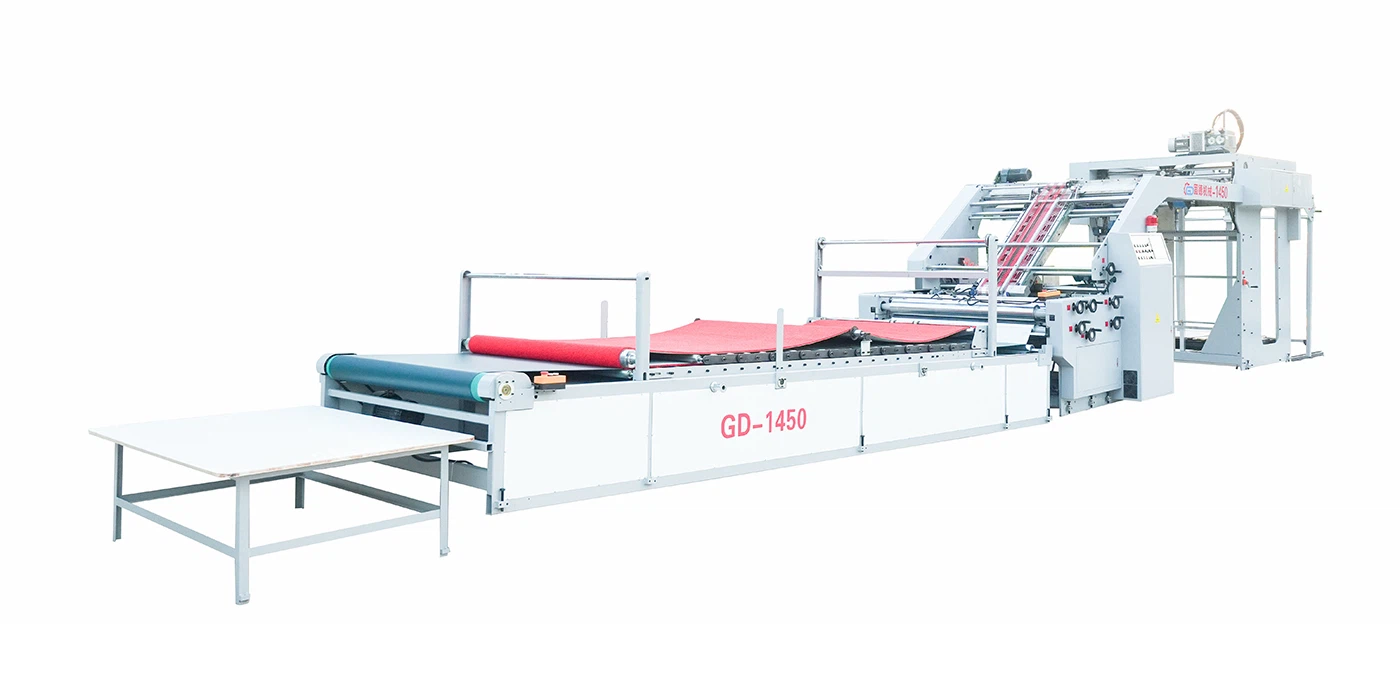
Before we talk about the speed - regulating system, it's important to know what an Automatic Flute Laminator Machine does. These machines are used in the packaging industry to laminate corrugated boards. They can efficiently bond a flat sheet, such as a printed paper or cardstock, to a corrugated board. There are different types of these machines available on our website, like the Intelligent Automatic Flute Laminator, the Intelligent Servomotor Flute Laminator Machine, and the Semi Automatic Flute Laminator. Each type has its own features, but they all rely on a proper speed - regulating system for optimal performance.
The Basic Function of the Speed - Regulating System
The main function of the speed - regulating system in an Automatic Flute Laminator Machine is to control the speed at which the laminating process occurs. You see, different jobs require different speeds. For example, if you're working with a very thick or delicate material, you might want to slow down the machine. This gives the glue enough time to properly bond the two layers together. On the other hand, if you're working on a large - scale production of a simple design with standard materials, you can speed up the process to increase productivity.
The speed - regulating system allows operators to adjust the speed according to the specific requirements of each job. It does this by controlling the motor's speed that drives the conveyor belts, rollers, and other moving parts of the machine.
Ensuring Quality Lamination
Quality is a top priority in the packaging industry, and the speed - regulating system plays a big part in achieving high - quality lamination. When the machine runs too fast, the glue might not have enough time to spread evenly across the surfaces. This can result in weak bonds, air bubbles, or uneven lamination. By being able to slow down the speed, the glue can be applied more smoothly, and the two layers can be pressed together firmly.
For instance, when laminating a high - end product box, you need a perfect finish. The speed - regulating system lets you adjust the speed to make sure every single box comes out looking great. This is especially important for products that are going to be on display, as any lamination defects can be a big turn - off for customers.
Improving Productivity
While quality is important, productivity is also a key factor in any manufacturing operation. The speed - regulating system enables operators to find the right balance between quality and quantity. Once you've determined the optimal speed for a particular job, you can set the machine to run at that speed continuously. This means you can produce more laminated products in less time, increasing your overall output.
Let's say you have a large order of standard packaging boxes. By adjusting the speed - regulating system to the maximum speed that still maintains good quality, you can quickly complete the order and move on to the next one. This not only saves time but also reduces labor costs.
Adapting to Different Materials
Different materials have different properties and require different handling during the laminating process. For example, a glossy paper might need a different speed compared to a matte paper. The same goes for different thicknesses of corrugated boards. The speed - regulating system allows the machine to adapt to these variations.
When you're using a thin and flexible material, a slower speed might be necessary to prevent wrinkling or tearing. In contrast, a thicker and more rigid material can often handle a faster speed. The ability to adjust the speed based on the material being used ensures that the laminating process is efficient and the end - product is of high quality.
Enhancing Operator Safety
Safety is always a concern in a manufacturing environment. The speed - regulating system also plays a role in operator safety. By allowing operators to control the speed of the machine, they can work at a pace that they're comfortable with. This reduces the risk of accidents, such as getting fingers caught in the moving parts.
If an operator needs to make adjustments or perform maintenance on the machine, they can slow it down or even stop it completely. This gives them a safe working environment to carry out their tasks.
Troubleshooting and Maintenance
In case of any issues with the machine, the speed - regulating system can also be useful for troubleshooting. If there are problems with the lamination quality, like uneven bonding or misaligned layers, adjusting the speed can sometimes solve the problem. This allows operators to quickly identify if the issue is related to the speed of the machine or something else.
During maintenance, the speed - regulating system can be set to a low speed to make it easier to inspect and clean the moving parts. This helps to keep the machine in good working condition and extends its lifespan.

Conclusion
In conclusion, the speed - regulating system in an Automatic Flute Laminator Machine is a vital component. It controls the speed of the laminating process, ensuring high - quality lamination, improving productivity, adapting to different materials, enhancing operator safety, and aiding in troubleshooting and maintenance.
If you're in the market for an Automatic Flute Laminator Machine, consider the importance of a reliable speed - regulating system. We offer a variety of machines on our website, including the Intelligent Automatic Flute Laminator, the Intelligent Servomotor Flute Laminator Machine, and the Semi Automatic Flute Laminator. If you have any questions or are interested in purchasing a machine, don't hesitate to reach out. We're here to help you find the perfect solution for your laminating needs.
References
- Packaging Machinery Industry Handbook
- Corrugated Board Manufacturing Best Practices Guide