

Hey there! As a supplier of Manual Box Gluing Machines, I often get asked about how the gluing system in these machines actually works. So, I thought I'd break it down for you in this blog post.
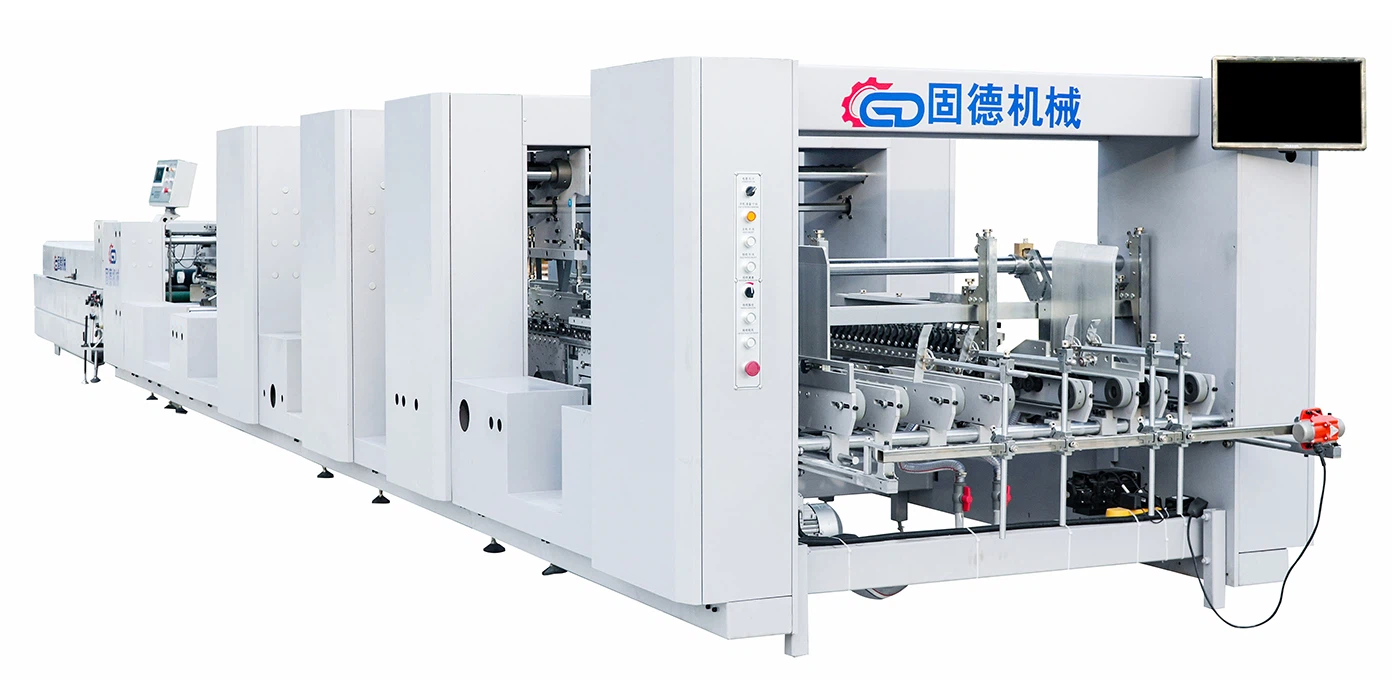
First off, let's talk about what a Manual Box Gluing Machine is. It's a handy piece of equipment used in the packaging industry to glue boxes together. Unlike fully automated machines, manual ones give you more control over the gluing process, which can be super useful for small - scale production or when you need to handle different box sizes and styles.
The Basics of the Gluing System
The gluing system in a Manual Box Gluing Machine is all about applying the right amount of glue in the right place to ensure a strong and reliable bond. There are a few key components that make this happen.
Glue Tank
The glue tank is where the glue is stored. It's usually made of a sturdy material like stainless steel to prevent corrosion. The size of the glue tank can vary depending on the machine's capacity. A larger tank means you can run the machine for longer periods without having to refill the glue. The glue tank also has a heating element in many cases. This is important because some types of glue, like hot - melt glue, need to be kept at a specific temperature to maintain their viscosity. If the glue gets too cold, it will become thick and hard to apply, while if it gets too hot, it might lose its adhesive properties.
Glue Pump
The glue pump is responsible for moving the glue from the tank to the application area. It works by creating a pressure difference that sucks the glue out of the tank and pushes it through the hoses. There are different types of glue pumps, such as gear pumps and piston pumps. Gear pumps are often used because they are relatively simple and reliable. They consist of two gears that mesh together. As the gears rotate, they trap the glue between the teeth and move it along the pump housing towards the outlet.
Glue Nozzles
The glue nozzles are where the magic happens. They are the final point in the gluing system where the glue is applied to the box. The nozzles come in different shapes and sizes, depending on the type of glue application required. For example, some nozzles are designed to apply a thin, continuous bead of glue, while others can create a pattern of dots or stripes. The size of the nozzle opening determines the width and thickness of the glue line. A smaller opening will result in a thinner glue line, which might be suitable for delicate boxes, while a larger opening can be used for heavier - duty applications.

The Working Process
Now that we know the main components, let's take a look at how the whole gluing system works step - by - step.
Step 1: Preparation
Before starting the machine, you need to make sure the glue tank is filled with the right type of glue. You also need to set the temperature of the heating element if you're using hot - melt glue. Once the glue has reached the correct temperature and viscosity, you're ready to start the machine.
Step 2: Glue Pump Activation
When you turn on the machine, the glue pump starts working. It draws the glue from the tank and pumps it through the hoses towards the nozzles. The speed of the pump can usually be adjusted to control the amount of glue being applied. If you're working with a highly porous material, you might need to increase the pump speed to ensure enough glue is applied for a good bond.
Step 3: Glue Application
As the glue reaches the nozzles, it is ejected onto the box. The operator positions the box under the nozzles and moves it at a steady pace to ensure an even application of glue. The nozzles can be adjusted in terms of their height and angle to get the best results. For example, if you're gluing a box with a complex shape, you might need to adjust the nozzle angle to reach all the areas that need to be glued.
Step 4: Bonding
Once the glue is applied, the operator quickly folds the box and presses the glued areas together. The glue starts to set almost immediately, creating a strong bond. The time it takes for the glue to fully set depends on the type of glue used. Some glues set in a matter of seconds, while others might take a few minutes.
Advantages of the Gluing System in Manual Box Gluing Machines
One of the biggest advantages of the gluing system in manual machines is its flexibility. You can easily adjust the amount and pattern of glue application depending on the specific requirements of each box. This is great for custom - made boxes or small - batch production. For instance, if you're making a special - edition box with a unique design, you can use the manual control to apply the glue exactly where it's needed.
Another advantage is cost - effectiveness. Manual Box Gluing Machines are generally less expensive than their automated counterparts. They also require less maintenance, which can save you a lot of money in the long run. You don't need to invest in complex automation systems or hire highly skilled technicians to operate and maintain the machine.
Related Products
If you're interested in other types of box - gluing machines, we also offer some great options. Check out our Semi Automatic Folder Gluer Machine, which combines some of the benefits of manual and automatic machines. It can handle a wide range of box sizes and styles with increased efficiency.
For those who need to work with corrugated boxes, our Corrugated Universal Folder Gluer Lock Bottom is a great choice. It's specifically designed to provide a strong and reliable bond for corrugated materials.
And if you're looking for high - speed production, our Lock Bottom Folder Gluer High Speed can meet your needs. It can glue boxes at a much faster rate while still maintaining a high level of quality.
Conclusion
The gluing system in a Manual Box Gluing Machine is a simple yet effective way to bond boxes together. It consists of a glue tank, pump, and nozzles that work together to apply the right amount of glue at the right time. The flexibility and cost - effectiveness of these machines make them a great option for many packaging businesses.
If you're in the market for a Manual Box Gluing Machine or any of our other related products, don't hesitate to reach out. We're here to help you find the best solution for your packaging needs. Whether you have questions about the gluing system or need advice on which machine is right for you, just get in touch and we'll be happy to assist.
References
- Packaging Machinery Handbook: A comprehensive guide on different types of packaging machines, including box gluing machines.
- Glue Technology and Applications: This book provides in - depth information about different types of glue and their properties, which is essential for understanding the gluing system in box gluing machines.