

In the fast - paced world of packaging production, automatic flute laminating machines play a crucial role. As a supplier of these machines, I've seen firsthand the challenges customers face with getting the best performance out of them. So, let's dig into some practical ways to optimize the performance of an automatic flute laminating machine.
Regular Maintenance
Just like your car needs regular tune - ups, an automatic flute laminating machine requires consistent maintenance to function at its best. One of the most basic yet important tasks is cleaning. Over time, debris, glue residue, and dust can build up in various parts of the machine, like the rollers, conveyors, and cutting sections. This not only affects the quality of the lamination but can also lead to mechanical issues. For example, a dirty roller might cause uneven lamination, resulting in products that don't meet the required standards.
Lubrication is another key aspect. Moving parts such as gears, bearings, and chains need proper lubrication to reduce friction and prevent wear and tear. Using the right type of lubricant recommended by the machine's manufacturer is crucial. If you don't lubricate these parts regularly, you'll likely experience increased noise, slower operation, and even premature breakdowns.
It's also essential to check and replace worn - out parts promptly. Components like blades, belts, and seals have a limited lifespan. A dull blade can lead to poor cutting and inaccurate lamination, while a worn - out belt might cause misalignment. By keeping an eye on these parts and replacing them as needed, you can ensure the machine runs smoothly.
Operator Training
No matter how advanced the machine is, its performance depends a lot on the operator. Proper operator training is a must. Operators should be well - versed in all aspects of the machine, from basic setup to troubleshooting common issues.
When it comes to setup, operators need to understand how to adjust parameters like lamination speed, glue application, and pressure. For instance, setting the lamination speed too high can result in poor bonding, while setting it too low can decrease productivity. By having a good grasp of these parameters, operators can optimize the machine's performance for different types of flute laminating jobs.
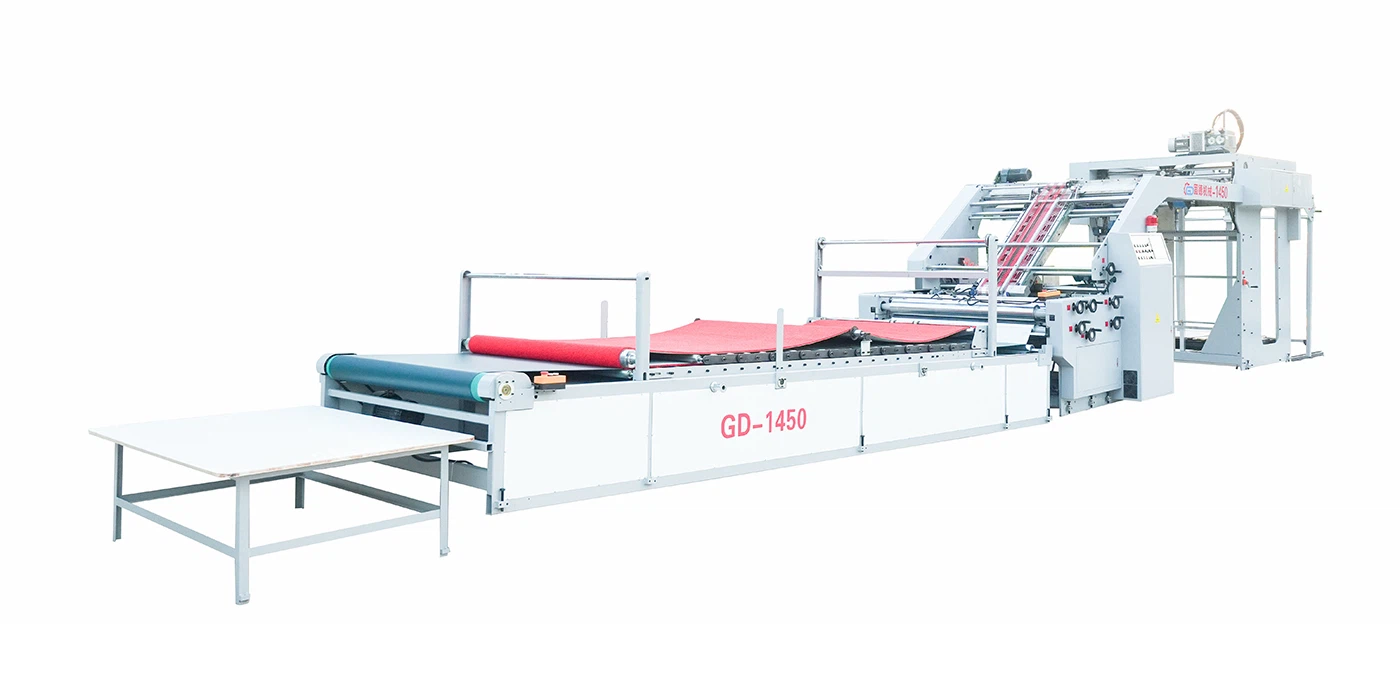
In addition to setup, operators should be trained to identify and fix common problems. For example, if there's a jam in the conveyor or an issue with the glue dispenser, they should know how to address it quickly. This reduces downtime and keeps production running smoothly. Our company offers comprehensive training programs for operators to ensure they're fully equipped to handle our Servo Automatic Flute Laminating Machine.

Material Selection
The materials you use in the automatic flute laminating process can significantly impact the machine's performance. First and foremost, the quality of the paperboard and linerboard matters. Low - quality materials might have inconsistent thickness, surface roughness, or moisture content. These variations can cause issues like uneven lamination, poor adhesion, and even machine jams.
For example, if the paperboard has a high moisture content, it can expand during the lamination process, leading to warping and misalignment. On the other hand, overly dry materials might not bond well with the glue. So, it's important to source materials from reliable suppliers and conduct quality checks before using them in the machine.
The type of glue you use is also critical. Different types of flute laminating jobs require different types of glue. Some glues are designed for high - speed lamination, while others are better for bonding specific materials. Using the wrong glue can result in weak bonds, slow production, and even damage to the machine. Make sure to choose a glue that's compatible with your materials and the machine's requirements.
Machine Calibration
Calibration is a process that ensures the machine is working accurately. It involves adjusting various settings to make sure that the lamination, cutting, and aligning processes are precise. For example, the registration system needs to be calibrated to ensure that the paperboard and linerboard are perfectly aligned during lamination. If the registration is off, the final product will have misaligned layers, which is a major quality issue.
The glue application system also needs calibration. The amount of glue applied should be uniform across the entire surface of the paperboard. If too much glue is applied, it can cause messiness, increased drying time, and higher costs. Conversely, too little glue will result in poor bonding. By regularly calibrating the glue application system, you can achieve optimal results.
Our Intelligent Automatic Flute Laminator comes with advanced calibration features that make the process easier and more accurate.
Software and Technology Upgrades
As technology advances, so do automatic flute laminating machines. Software upgrades can bring new features and improvements to your machine. For example, an updated software version might have better control algorithms, which can improve the accuracy of lamination, speed up production, and reduce waste.
Some machines also support integration with other production systems, like inventory management or quality control systems. By integrating your flute laminating machine with these systems, you can streamline your production process and make it more efficient.
In addition to software, hardware upgrades can also enhance the machine's performance. For example, upgrading the motor or the control board can increase the machine's speed and reliability. Our company offers upgrade services to help our customers keep their machines up - to - date with the latest technology.
Process Optimization
Analyzing and optimizing your overall production process can also have a big impact on the performance of the automatic flute laminating machine. Look at the workflow from the moment the raw materials enter the production line to the final packaged product. Are there any bottlenecks or inefficiencies in the process?
For example, if there's a long waiting time between the lamination process and the next step in production, it might be a sign of poor process planning. You can try to synchronize the different stages of production to reduce downtime. This might involve adjusting the production schedule, improving communication between different departments, or investing in additional equipment to speed up the overall process.
By optimizing the process around the automatic flute laminating machine, you can increase the machine's throughput and reduce waste. Our 5 Ply Flute Laminator is designed to fit seamlessly into various production processes, helping you achieve better efficiency.
Conclusion
Optimizing the performance of an automatic flute laminating machine involves a combination of regular maintenance, proper operator training, careful material selection, accurate calibration, software and technology upgrades, and process optimization. By following these steps, you can ensure that your machine runs smoothly, produces high - quality products, and maximizes your productivity.
If you're in the market for an automatic flute laminating machine or need help optimizing the performance of your existing machine, don't hesitate to get in touch. We're here to provide you with the best solutions and support to meet your production needs.
References
- Packaging Machinery Manufacturers Institute (PMMI)
- Technical manuals of our automatic flute laminating machines