

Hey there! As a supplier of lock bottom folder gluers, I often get asked if these machines can be used for packaging food products. It's a valid question, and in this blog post, I'll dive deep into this topic to give you all the information you need.
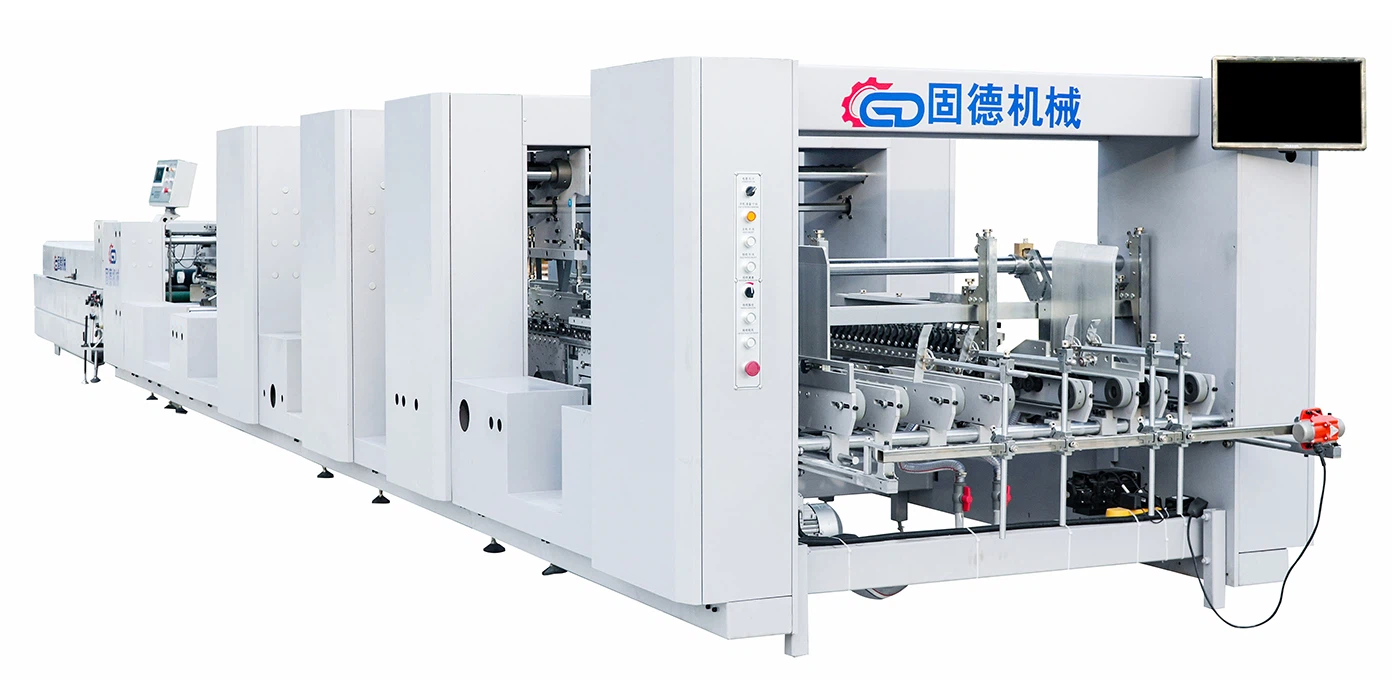
First off, let's understand what a lock bottom folder gluer is. It's a machine that folds and glues cartons, creating a strong and secure bottom lock. This type of carton is widely used in various industries because of its durability and ease of use. There are different types of lock bottom folder gluers available on the market, such as the Corrugated Universal Folder Gluer Lock Bottom, the Automatic Carton Folding Machine, and the Semi Automatic Folder Gluer Machine. Each has its own features and benefits, but the basic function remains the same: to produce high - quality cartons.
Now, can it be used for food packaging? The answer is yes, but with some important considerations.
Material Compatibility
The first thing to think about is the material of the carton. For food packaging, the material needs to be food - safe. Most lock bottom folder gluers can work with a variety of materials, like paperboard and corrugated board. However, not all paperboards and corrugated boards are suitable for food contact.
Food - grade paperboard is treated to ensure it doesn't transfer harmful substances to the food. It should be free from chemicals that could contaminate the food, such as heavy metals, inks, and adhesives that are not food - safe. When using a lock bottom folder gluer for food packaging, you need to make sure the machine is set up to handle food - grade materials properly. For example, the gluing process should use food - safe adhesives. These adhesives are formulated to meet strict food safety standards and won't pose a risk to human health.
Hygiene and Cleanliness
Hygiene is a top priority when it comes to food packaging. The lock bottom folder gluer itself needs to be kept clean. Dust, debris, and old glue residues can accumulate on the machine over time. If these contaminants come into contact with the food - grade cartons, they can contaminate the food inside.
Regular cleaning and maintenance of the machine are essential. You should have a cleaning schedule in place to wipe down the machine, remove any debris, and clean the glue application systems. Also, the environment where the machine is located should be clean and free from pests. A dirty working environment can lead to cross - contamination, which is a big no - no in the food industry.
Compliance with Regulations
Food packaging is highly regulated. Different countries and regions have their own set of rules and regulations regarding food safety and packaging. For instance, in the United States, the Food and Drug Administration (FDA) has strict guidelines on what materials can be used in food packaging. In the European Union, the European Food Safety Authority (EFSA) also has its own standards.
As a supplier of lock bottom folder gluers, I always recommend that my customers check the local regulations before using the machine for food packaging. The machine needs to be able to produce cartons that comply with these regulations. This might involve using specific types of materials, adhesives, and printing inks that are approved for food contact.
Advantages of Using Lock Bottom Folder Gluers for Food Packaging
Despite the challenges, there are many advantages to using lock bottom folder gluers for food packaging.
Durability
Lock bottom cartons are very strong. They can withstand the weight of the food products inside, whether it's a box of cereal or a pack of snacks. This means the food is less likely to get damaged during transportation and storage. A damaged carton can expose the food to air, moisture, and contaminants, which can spoil the food. With a lock bottom carton made by a reliable folder gluer, you can ensure the integrity of the food packaging.
Customization
Lock bottom folder gluers offer a high degree of customization. You can create cartons in different sizes, shapes, and designs. This is great for food manufacturers who want to stand out on the shelves. You can print attractive labels, logos, and nutritional information on the cartons. For example, a small artisanal food producer can use unique - shaped cartons to showcase their products and attract customers.

Efficiency
These machines are designed to be efficient. They can produce a large number of cartons in a short period of time. This is important for food manufacturers who have high - volume production needs. The faster the cartons are produced, the more food products can be packaged and sent to the market.
Tips for Using Lock Bottom Folder Gluers for Food Packaging
If you're planning to use a lock bottom folder gluer for food packaging, here are some tips.
- Choose the Right Machine: Select a machine that is suitable for the type of food products you're packaging. Consider the size of the cartons, the production volume, and the level of automation you need. For example, if you have a small - scale food business, a semi - automatic folder gluer might be a good choice.
- Train Your Staff: Make sure your staff is properly trained on how to operate the machine. They should know how to set up the machine for food - grade materials, how to clean it, and how to troubleshoot any problems that might arise.
- Quality Control: Implement a strict quality control system. Check the cartons regularly to ensure they meet the food safety standards. Look for any signs of damage, improper gluing, or contamination.
In conclusion, a lock bottom folder gluer can definitely be used for food packaging, but it requires careful consideration of material compatibility, hygiene, and compliance with regulations. If you follow the guidelines and take the necessary precautions, you can produce high - quality food - grade cartons that will keep your food products safe and fresh.
If you're interested in purchasing a lock bottom folder gluer for your food packaging needs, I'd love to have a chat with you. Contact me to discuss your requirements and find the perfect machine for your business.
References
- Food and Drug Administration (FDA). "Guidance for Industry: Preparation of Food Contact Notifications and Food Additive Petitions for Food Contact Substances."
- European Food Safety Authority (EFSA). "Scientific Opinion on the safety assessment of food contact materials."
- Packaging Machinery Manufacturers Institute (PMMI). "Best Practices for Food Packaging Machinery."