

Hey there! I'm a supplier of flute laminating machines, and today I want to chat about something that can have a big impact on how these machines work: humidity. You might not think that something as simple as the amount of moisture in the air could make such a difference, but trust me, it does.
Let's start by understanding what a flute laminating machine does. These machines are used to laminate corrugated boards, which are commonly used in packaging. They bond different layers of paper or cardboard together to create a stronger and more durable material. The process involves applying glue to the flute tips and then pressing the layers together. Sounds straightforward, right? Well, humidity can throw a wrench in the works.
How Humidity Affects the Glue
One of the most critical aspects of the flute laminating process is the glue. The glue needs to dry at the right rate to form a strong bond between the layers. When the humidity is high, the air is already saturated with moisture. This means that the glue takes longer to dry because it has a harder time releasing its moisture into the air.
For example, if you're in a tropical climate where the humidity can be upwards of 80%, the glue on your flute laminating machine might take twice as long to dry as it would in a dry environment. This slow drying time can lead to several problems. First, the laminated boards might not bond properly, which can result in delamination later on. Second, the slow drying can cause the boards to stick together, making it difficult to separate them and process them further.
On the flip side, when the humidity is too low, the glue can dry too quickly. This can cause the glue to form a crust on the surface before it has a chance to fully penetrate the layers of the board. As a result, the bond between the layers might be weak, and the boards might not be as strong as they should be.
Impact on the Paper and Cardboard
Humidity also affects the paper and cardboard used in the laminating process. Paper is a hygroscopic material, which means it absorbs and releases moisture depending on the humidity of the surrounding air. When the humidity is high, the paper absorbs moisture and becomes softer and more flexible. This can cause the paper to stretch or warp during the laminating process, leading to misaligned layers and a poor-quality finished product.
For instance, if the humidity in your factory is high and you're using thin paper for laminating, you might notice that the paper starts to curl at the edges. This can make it difficult for the flute laminating machine to feed the paper properly, and it can also affect the accuracy of the lamination.
Conversely, when the humidity is low, the paper loses moisture and becomes brittle. Brittle paper is more likely to break or tear during the laminating process, which can disrupt production and increase waste. You might find that you're having to replace more paper rolls due to breakages, which can add to your costs.
Effects on the Machine Itself
Humidity doesn't just affect the materials; it can also have an impact on the flute laminating machine itself. High humidity can cause corrosion and rust on the metal parts of the machine. The moisture in the air can react with the metal, especially if it's not properly coated or protected. This can lead to damage to the machine's components, such as the rollers, gears, and bearings.
If the metal parts of the machine start to corrode, they can become rough and uneven. This can affect the smooth operation of the machine and cause problems with the feeding and laminating process. For example, a corroded roller might not be able to apply the glue evenly, resulting in inconsistent lamination.
Low humidity, on the other hand, can cause static electricity to build up in the machine. Static electricity can attract dust and debris, which can clog the machine's moving parts and sensors. This can lead to malfunctions and downtime, as you'll need to clean and maintain the machine more frequently.
Solutions to Mitigate the Impact of Humidity
So, what can you do to minimize the impact of humidity on your flute laminating machine? One option is to control the humidity in your factory environment. You can use a humidifier to increase the humidity when it's too low or a dehumidifier to reduce the humidity when it's too high. By maintaining a consistent humidity level, you can ensure that the glue dries at the right rate, the paper and cardboard remain in good condition, and the machine operates smoothly.
Another solution is to choose the right glue for the humidity conditions. Some glues are designed to work better in high-humidity environments, while others are more suitable for low-humidity conditions. By selecting the appropriate glue, you can improve the quality of the lamination and reduce the risk of delamination.
Regular maintenance of the machine is also crucial. Make sure to clean and lubricate the machine's components regularly to prevent corrosion and wear. Check for any signs of damage or malfunction and address them promptly to avoid costly repairs and downtime.
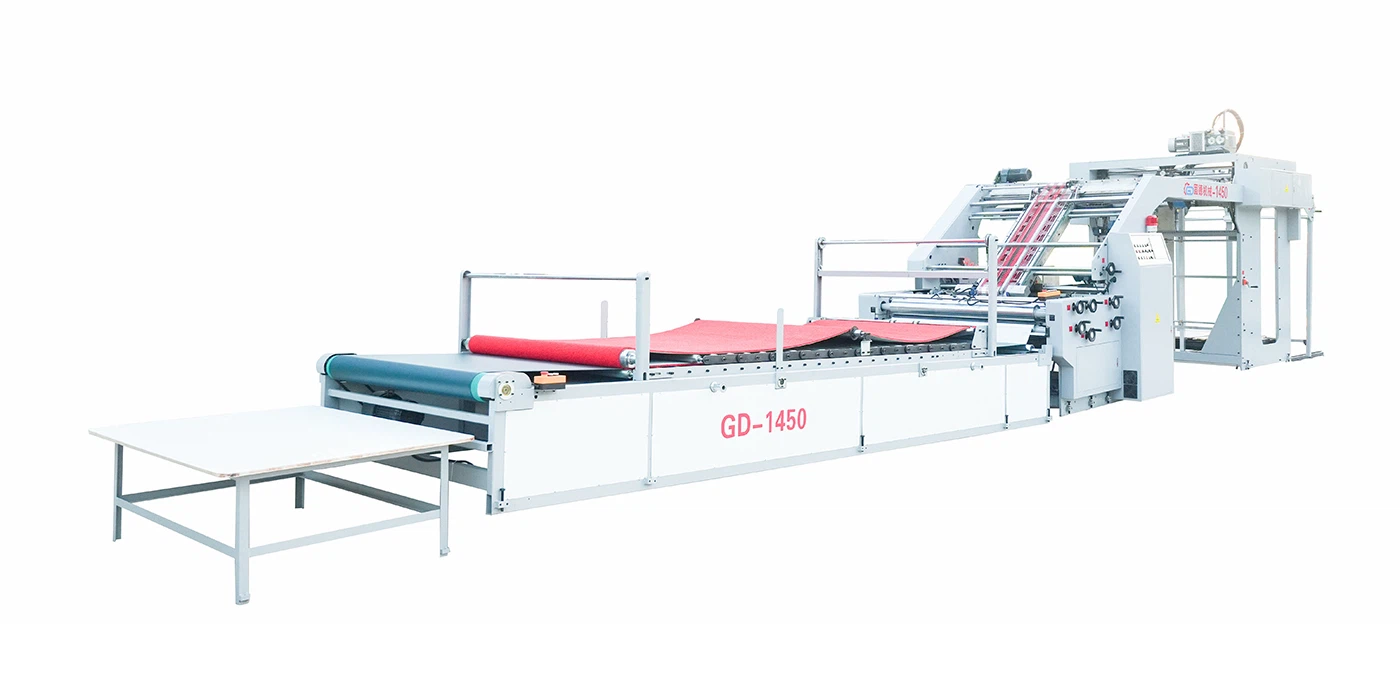

Our Flute Laminating Machines
At our company, we understand the challenges that humidity can pose to the operation of flute laminating machines. That's why we've designed our machines to be as resilient as possible to different humidity conditions. Our Fully Automatic Servo Flute Laminating Machine is equipped with advanced sensors and controls that can adjust the laminating process based on the humidity levels. This ensures that you get consistent and high-quality results, no matter the weather.
We also offer the Intelligent Automatic Flute Laminator, which features a state-of-the-art humidity management system. This system monitors the humidity in the environment and makes real-time adjustments to the glue application and drying process. This helps to optimize the lamination process and reduce the impact of humidity on the final product.
If you're looking for a reliable and efficient flute laminating machine for corrugated boards, our Servo Automatic Flute Laminator for Corrugated is a great choice. It's designed to handle a wide range of paper and cardboard materials and can operate effectively in various humidity conditions.
Conclusion
In conclusion, humidity can have a significant impact on the operation of a flute laminating machine. It affects the glue, the paper and cardboard, and the machine itself. By understanding these effects and taking the necessary steps to mitigate them, you can ensure that your laminating process runs smoothly and that you produce high-quality products.
If you're interested in learning more about our flute laminating machines or have any questions about how to deal with humidity in your factory, don't hesitate to get in touch. We're here to help you find the best solution for your business. Let's start a conversation and see how we can work together to improve your packaging production.
References
- "The Effects of Humidity on Paper and Packaging Materials" - Journal of Packaging Science and Technology
- "Glue Drying Kinetics in High and Low Humidity Environments" - International Journal of Adhesion and Adhesives
- "Corrosion Prevention in Industrial Machinery: The Role of Humidity Control" - Machinery Lubrication Magazine